Wednesday, April 10, 2019

Ten Years After - April 10, 2019

An Arkie's Faith column from the April 10, 2019, issue of The Mena Star.


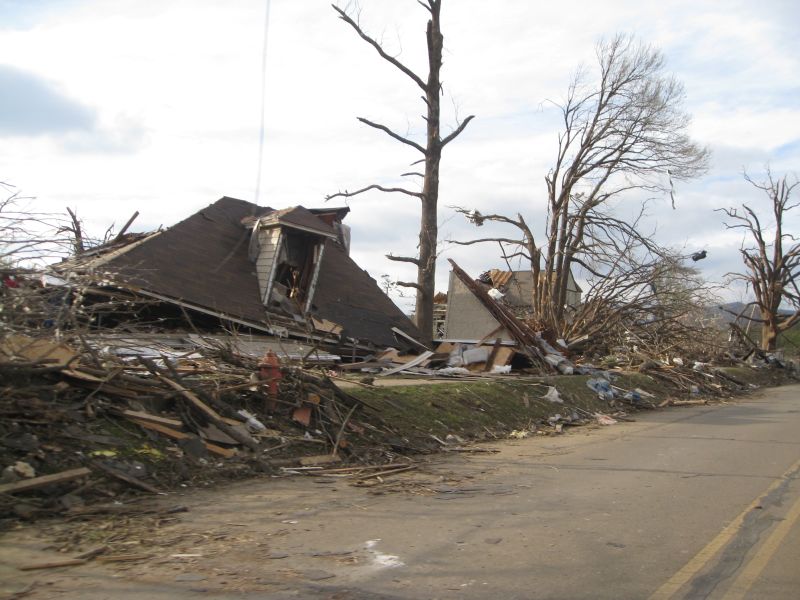
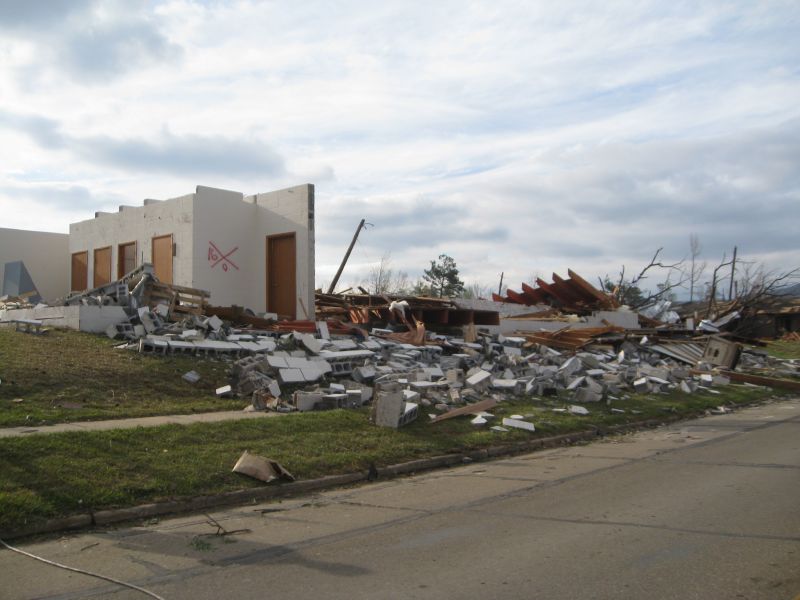
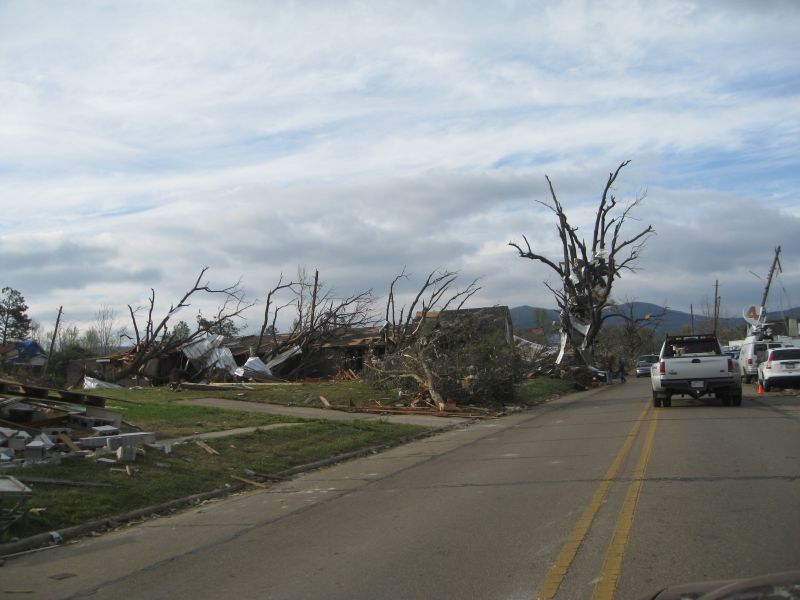
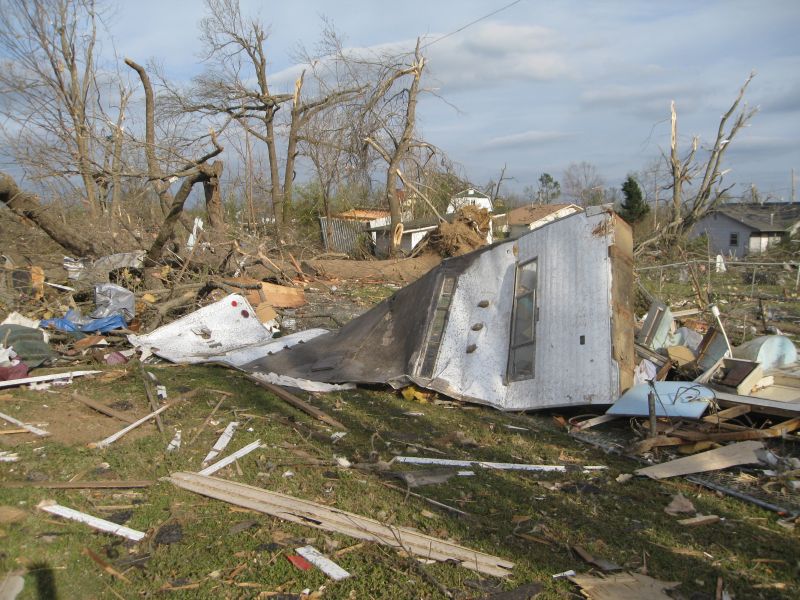
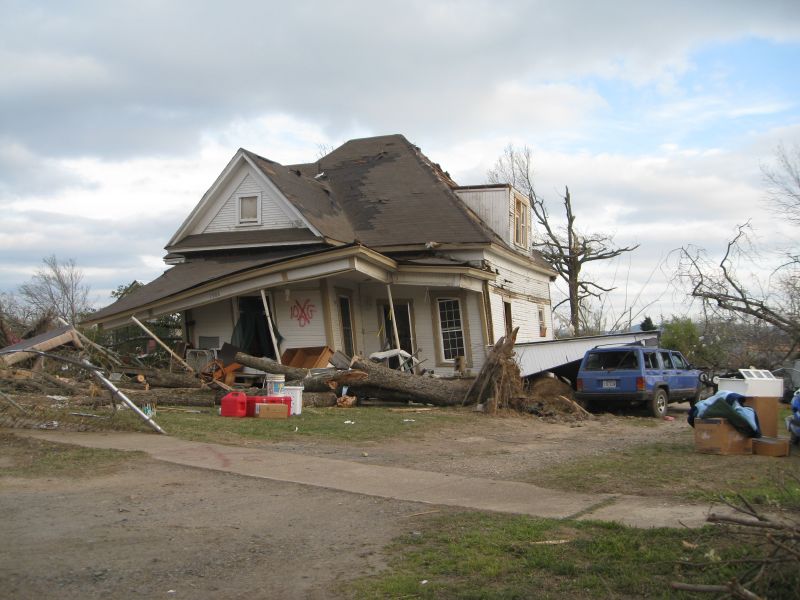
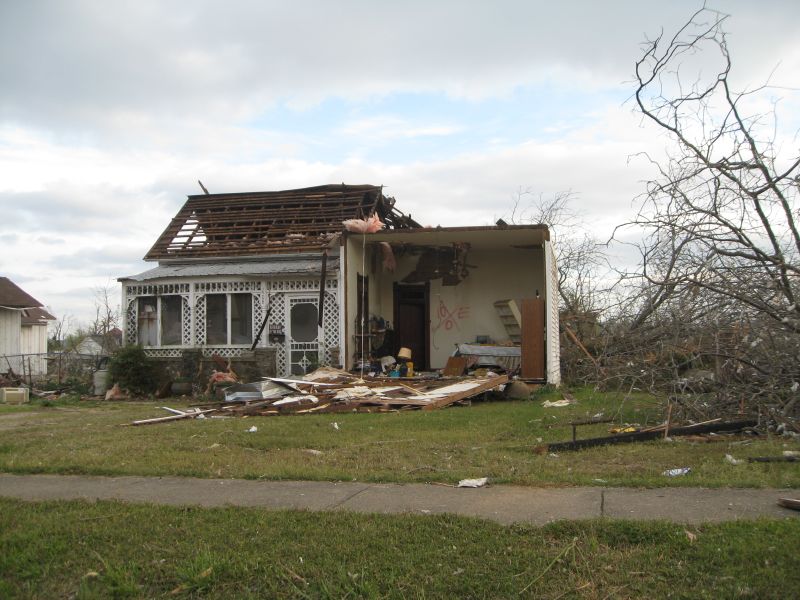
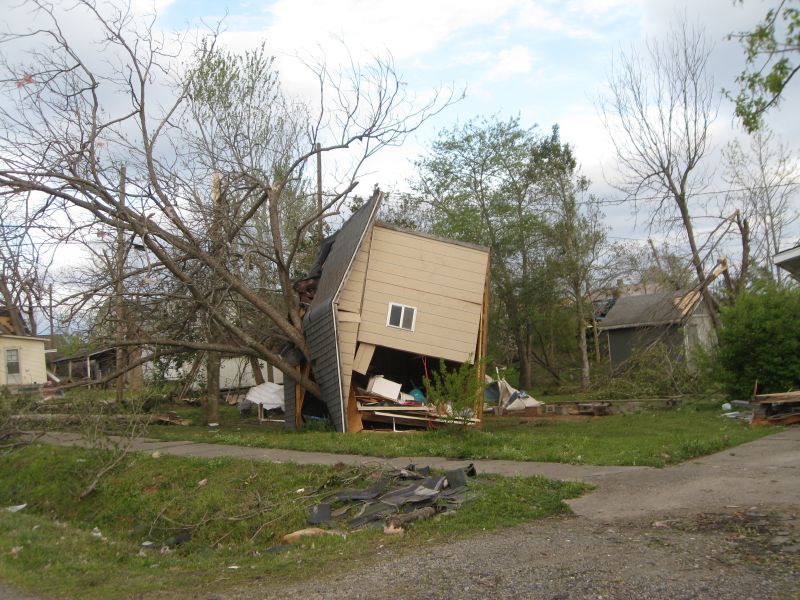
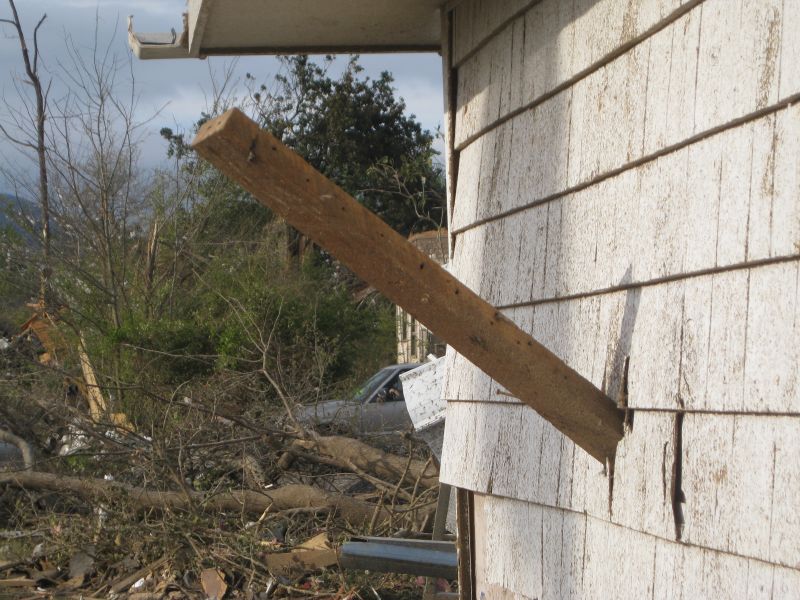
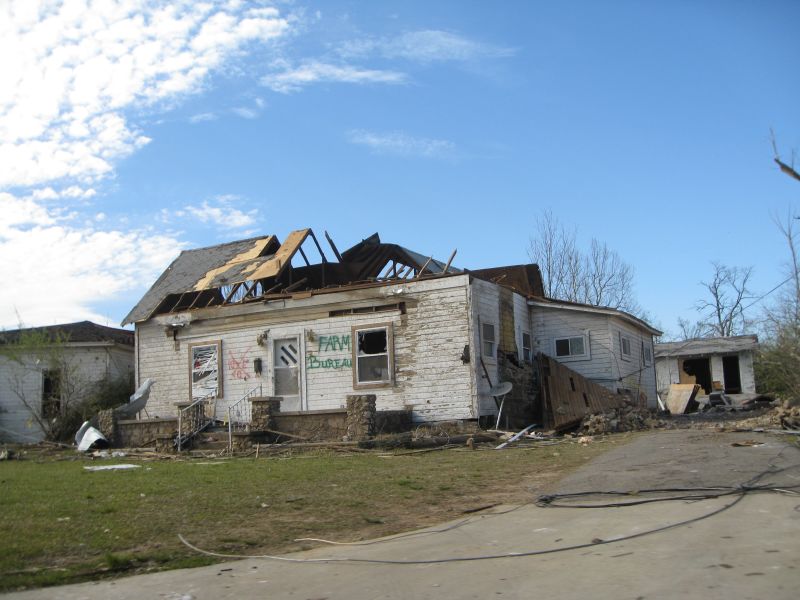
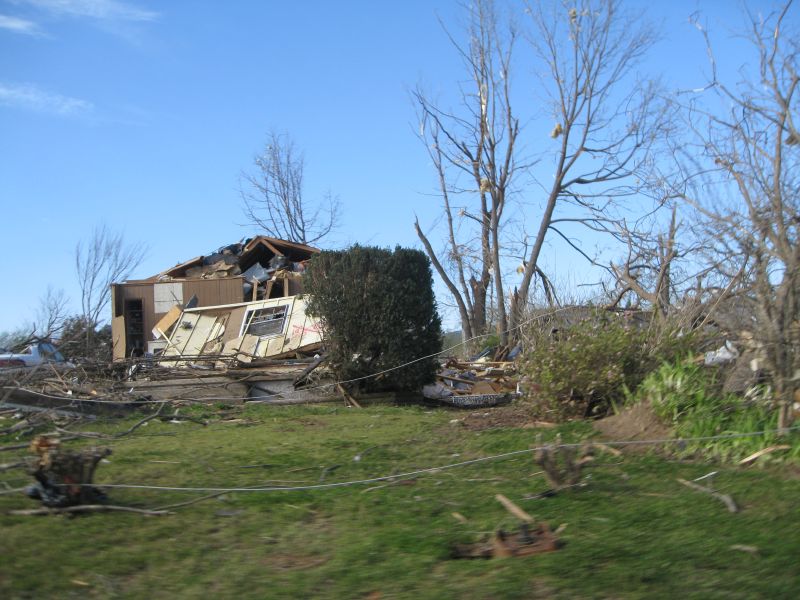
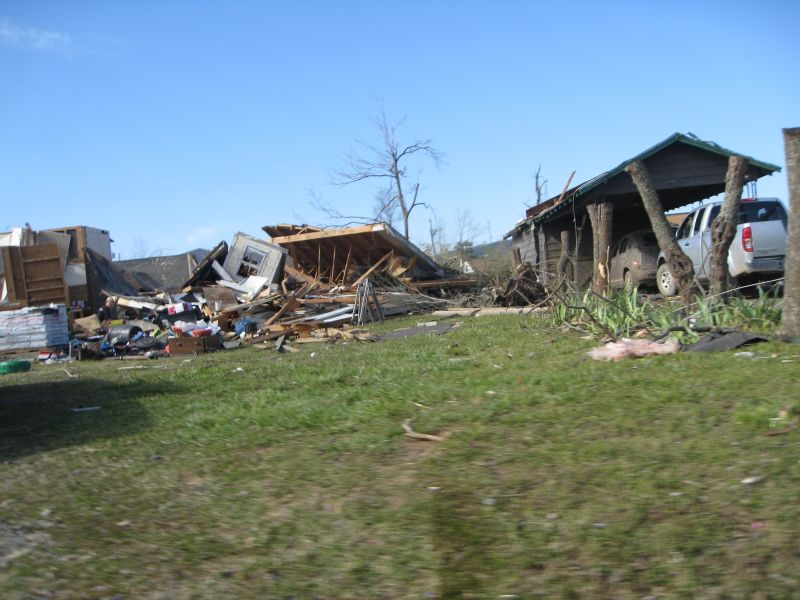
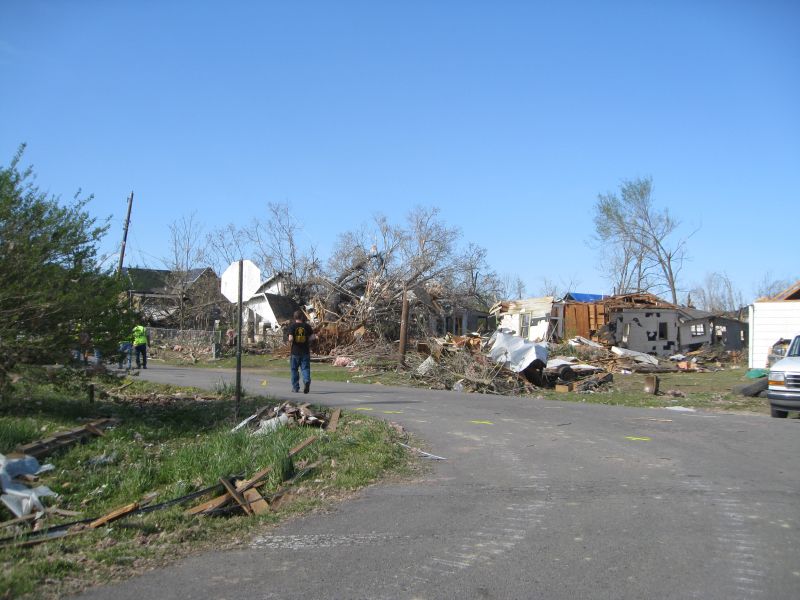
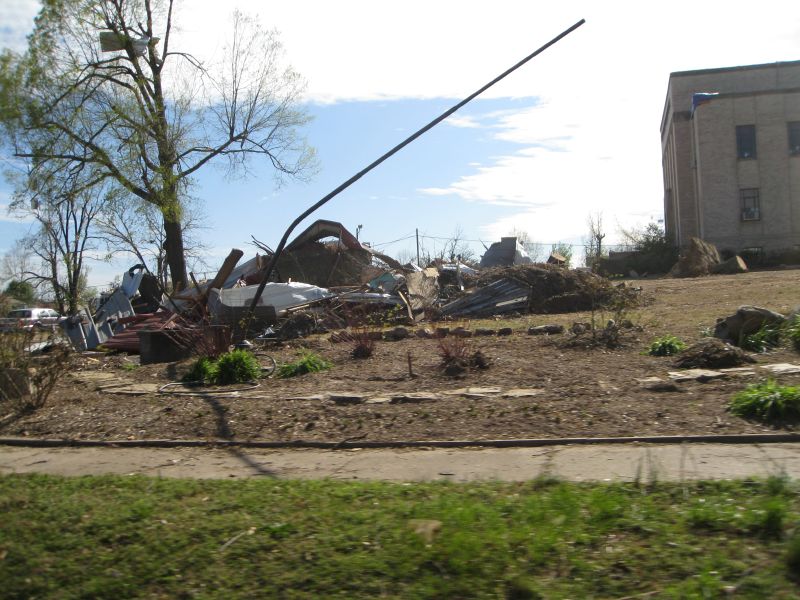
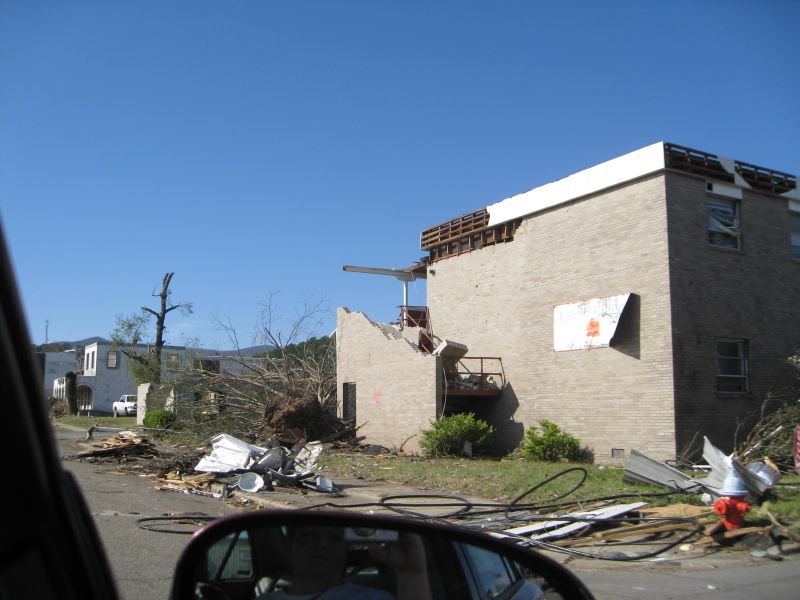
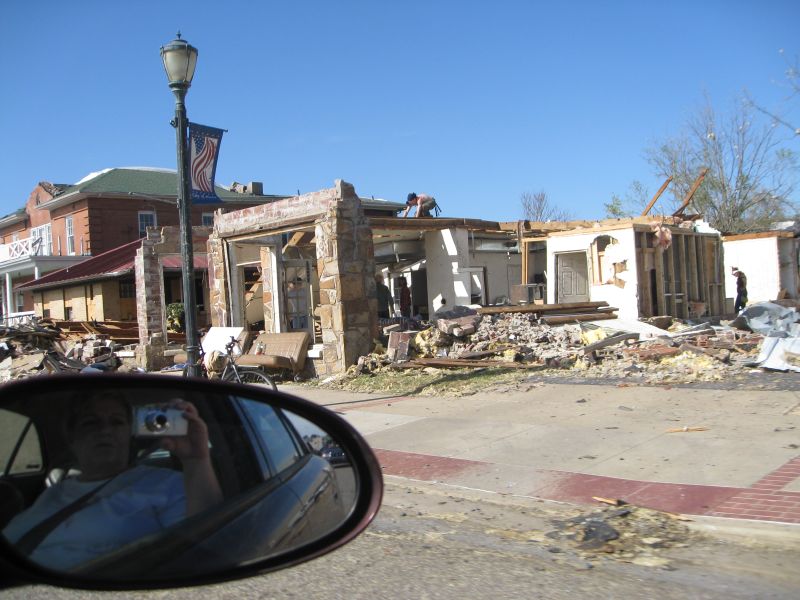
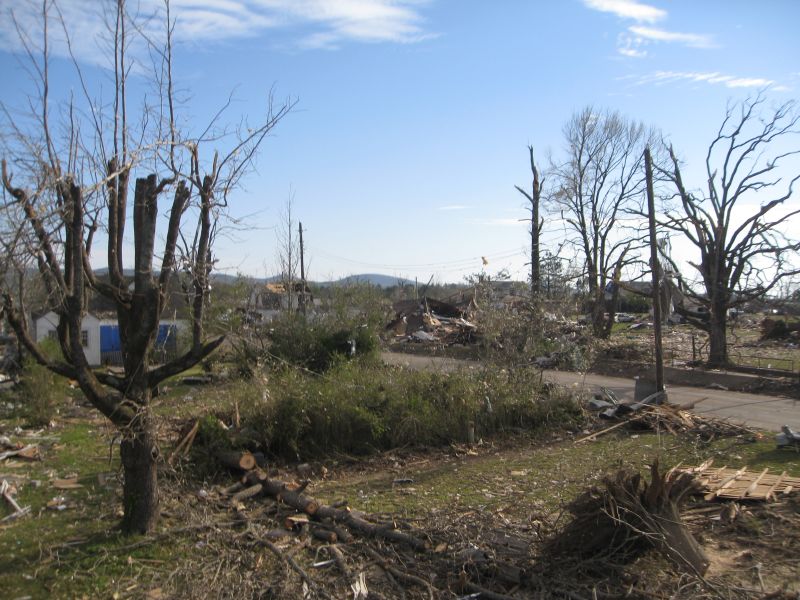
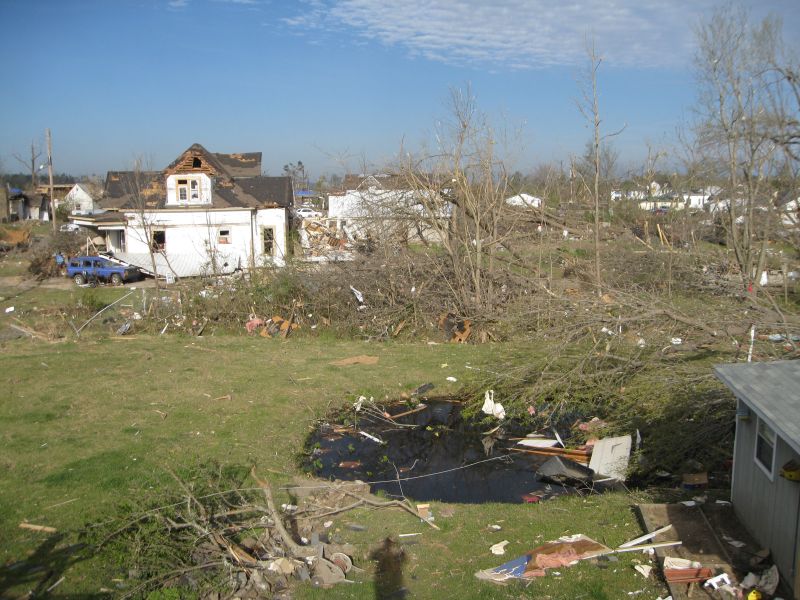
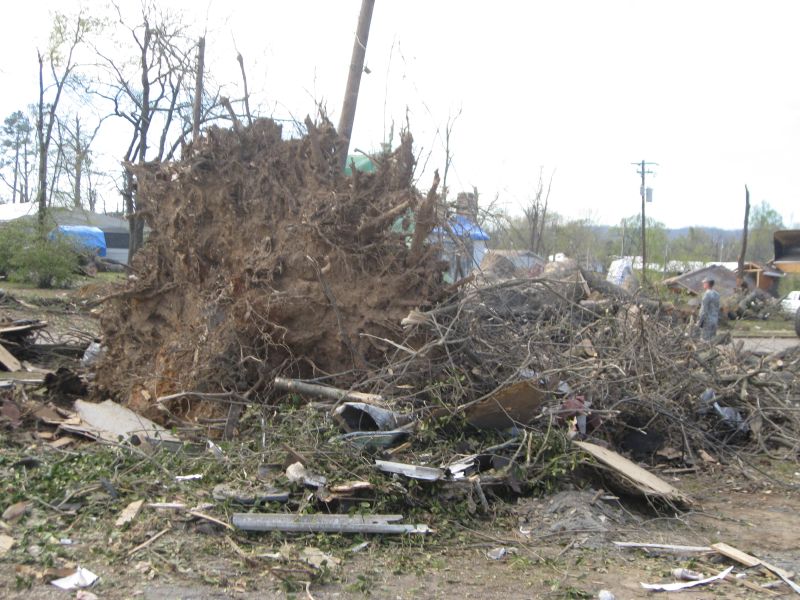
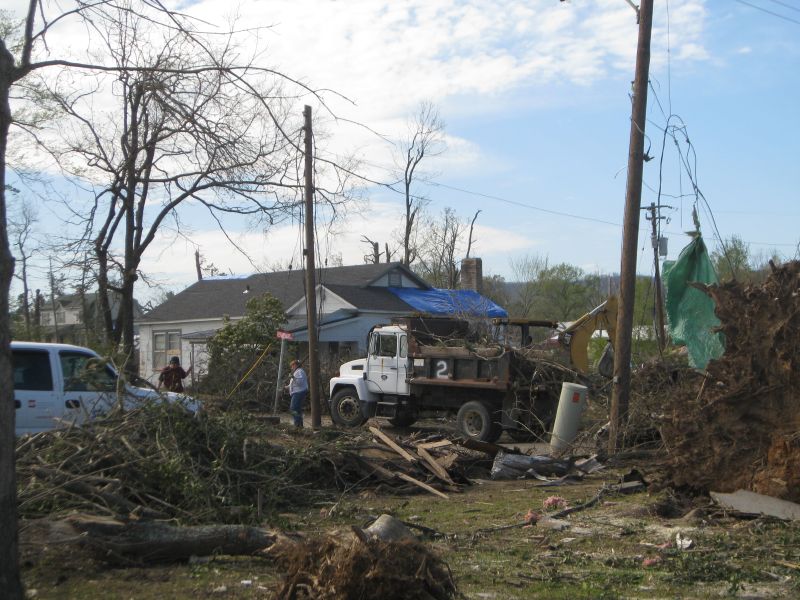
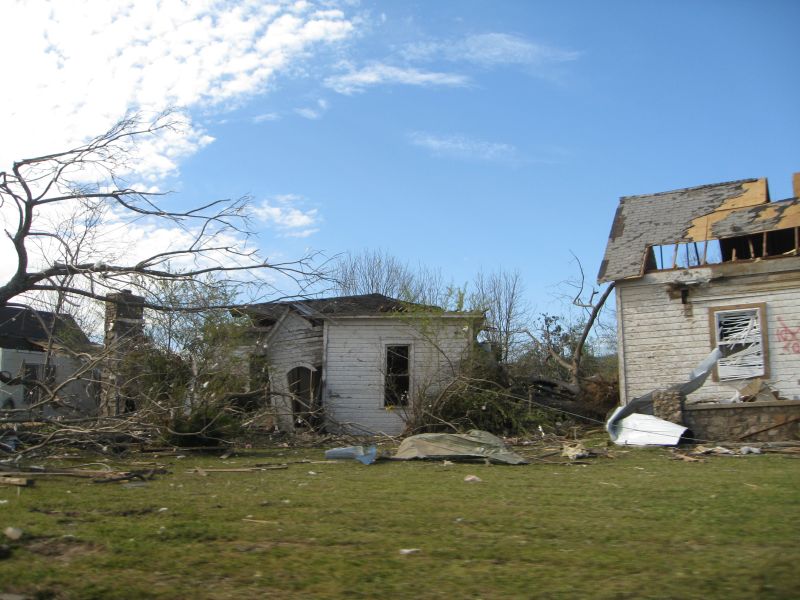
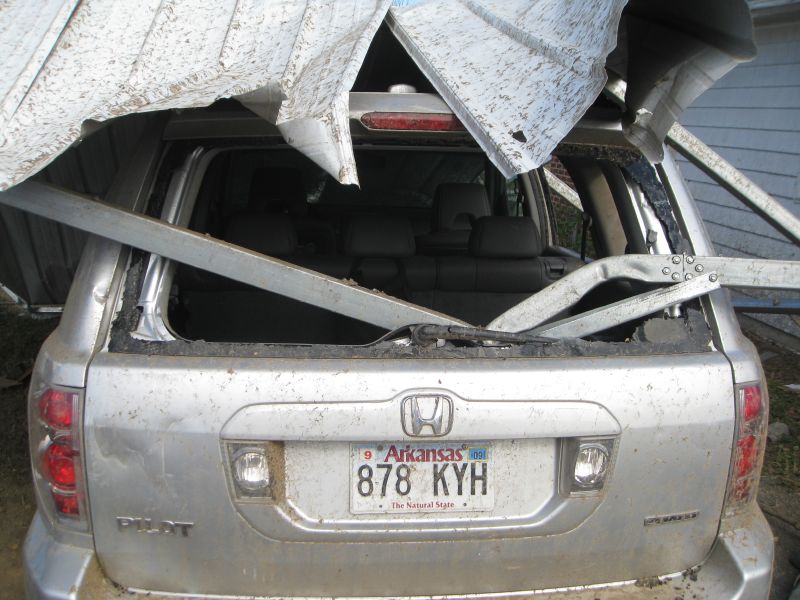
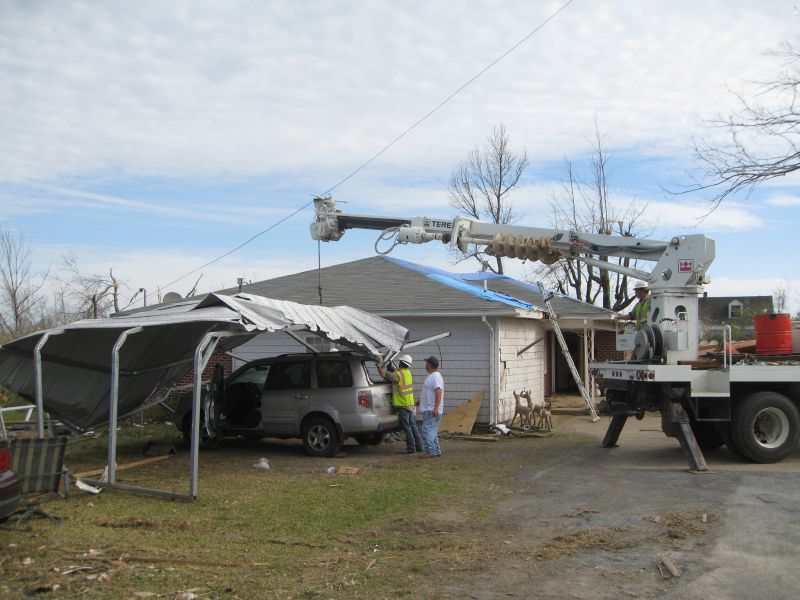
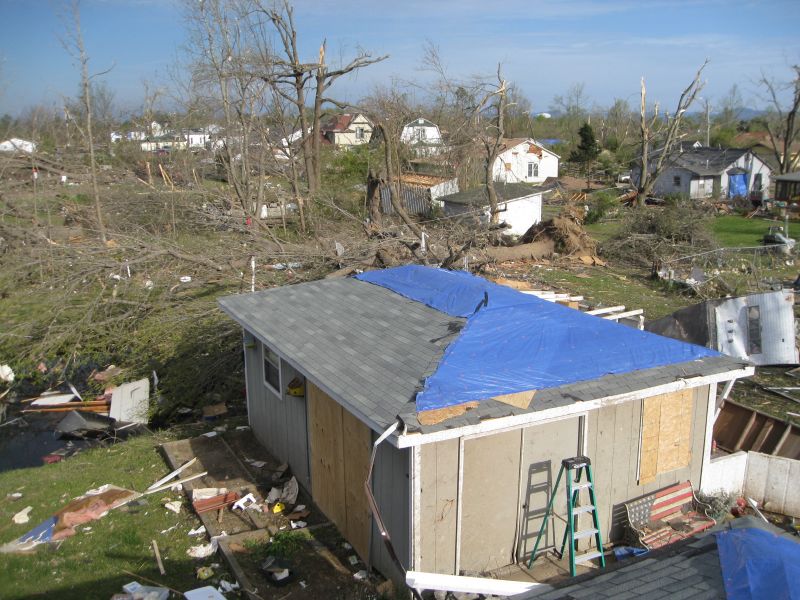
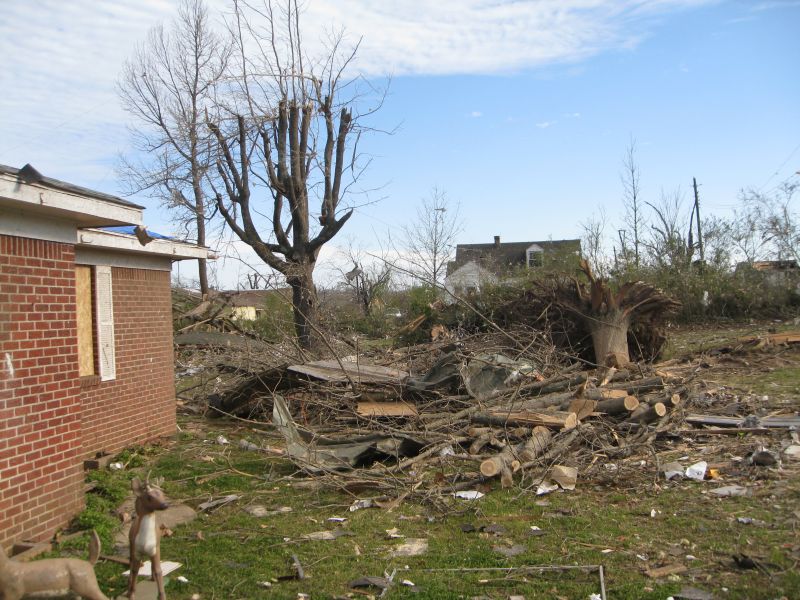
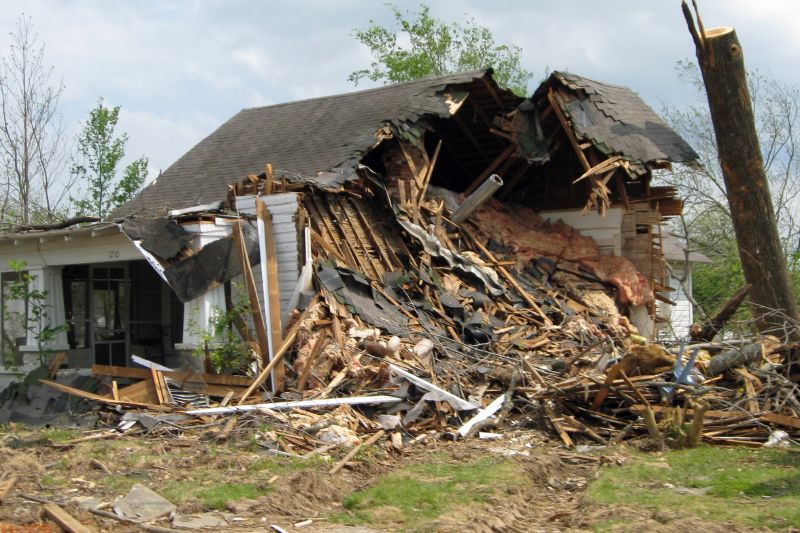
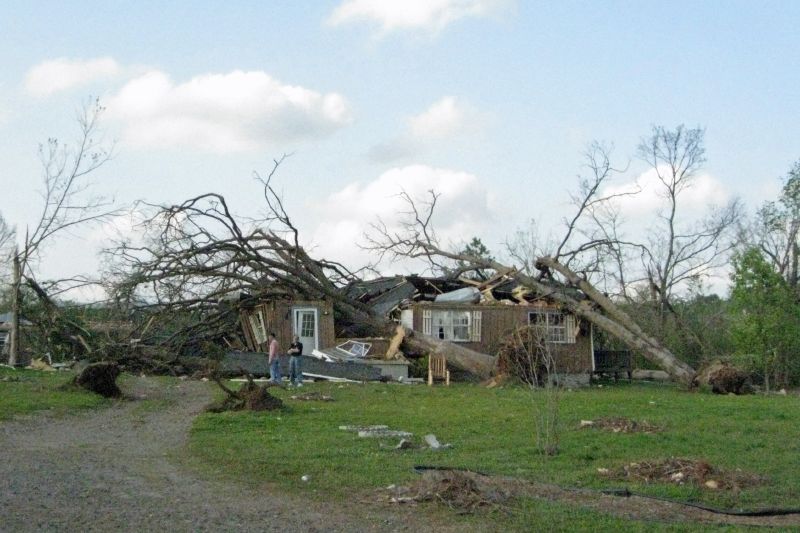
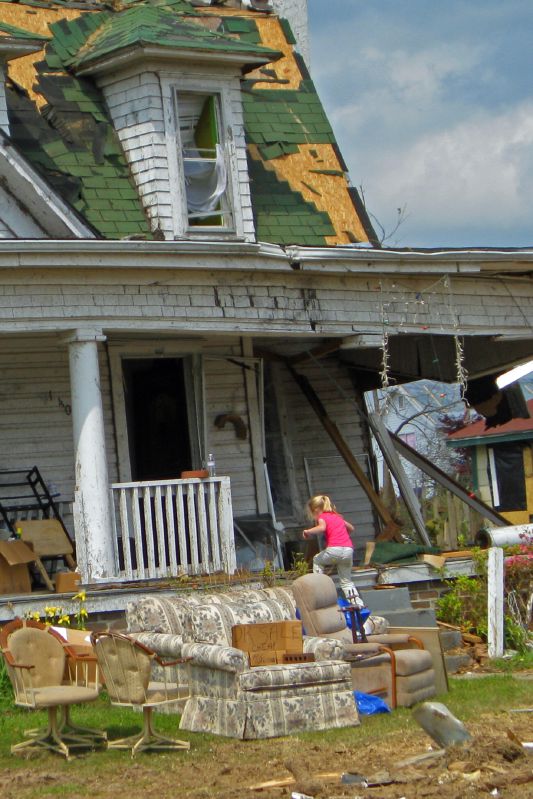
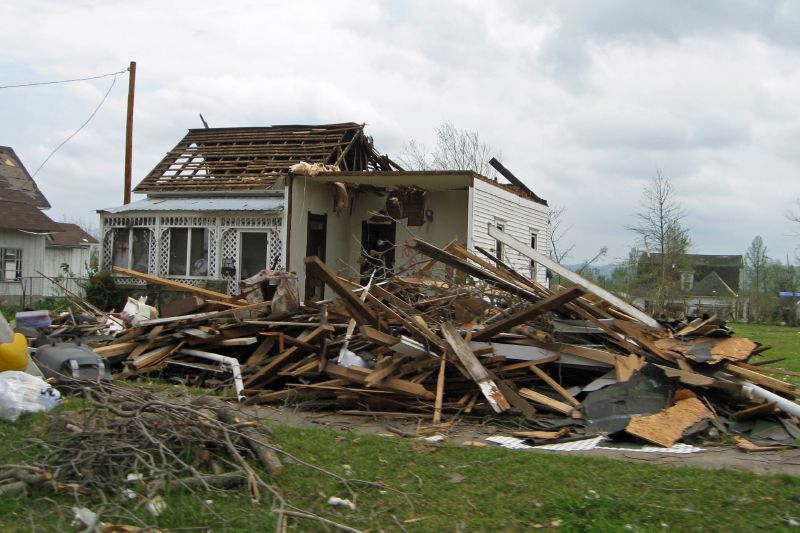
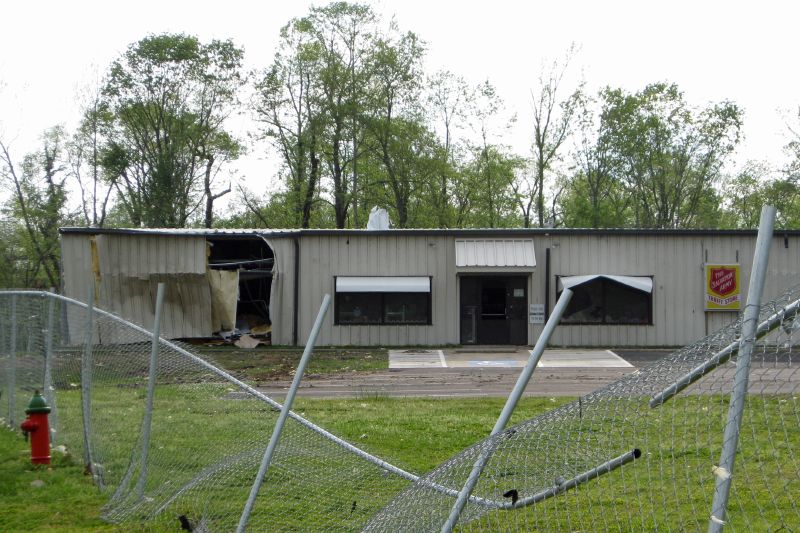
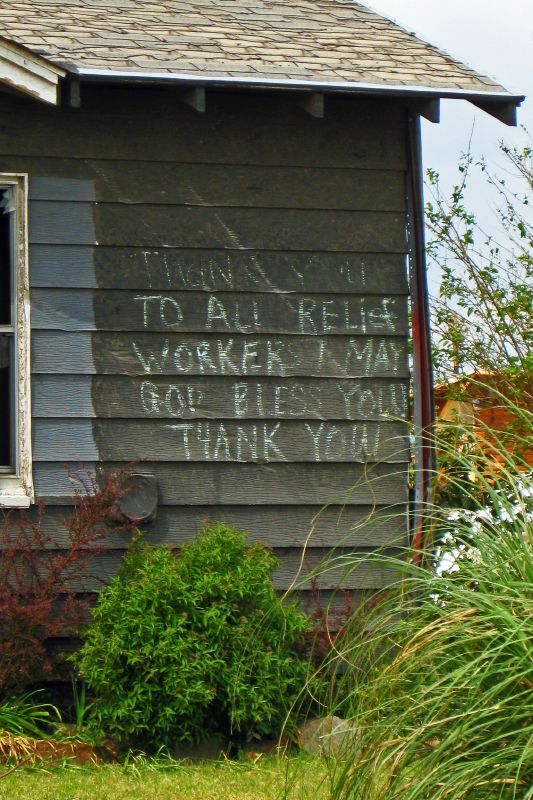
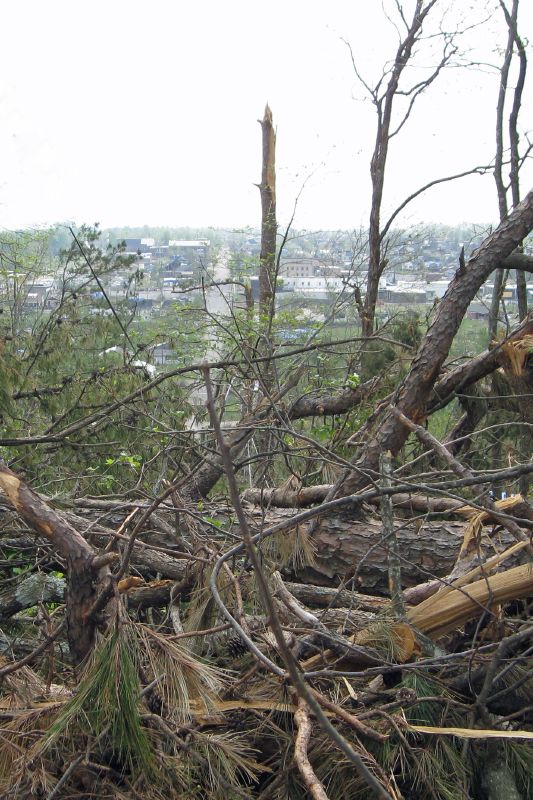
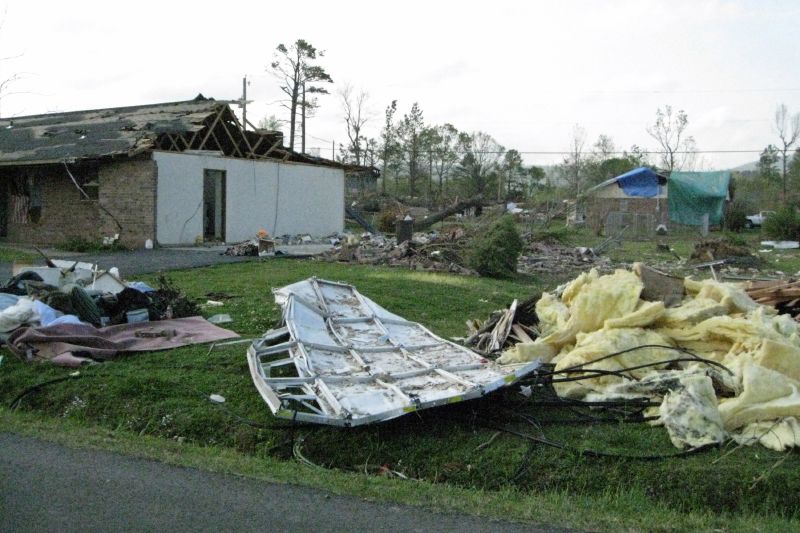
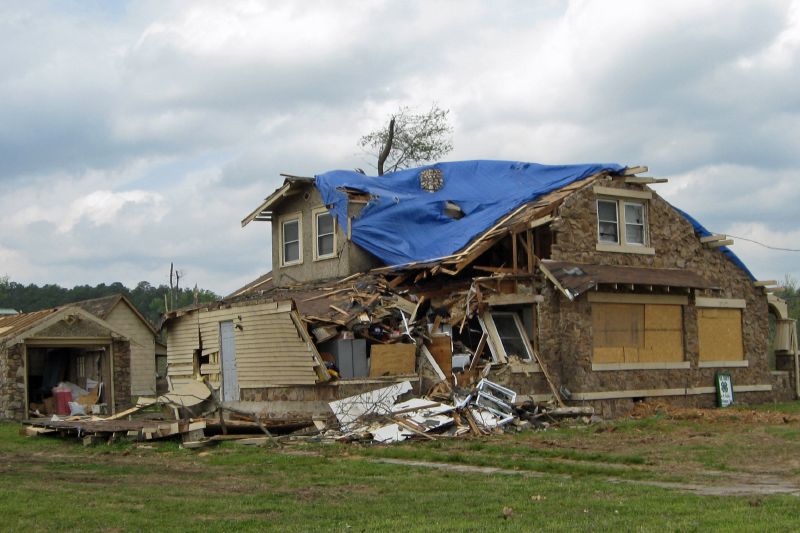
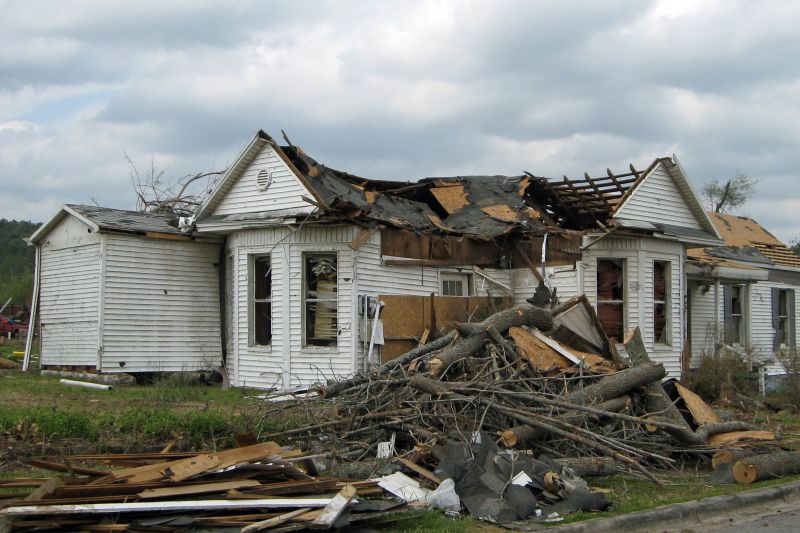
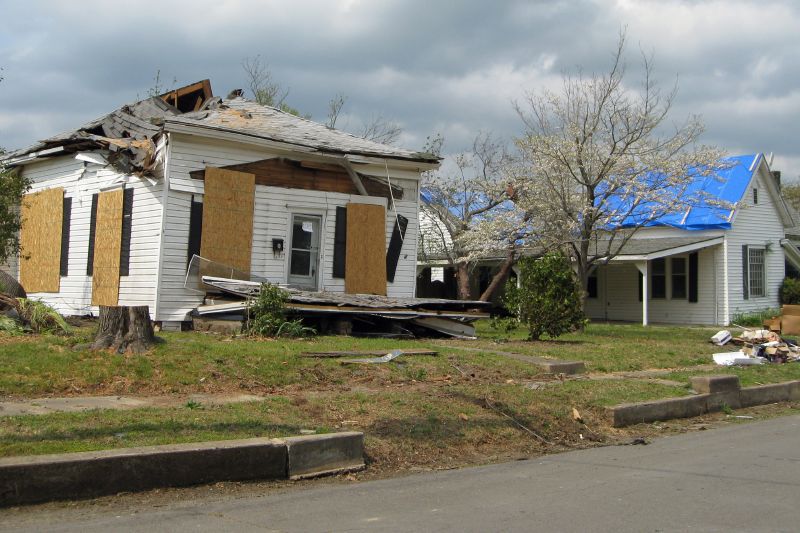
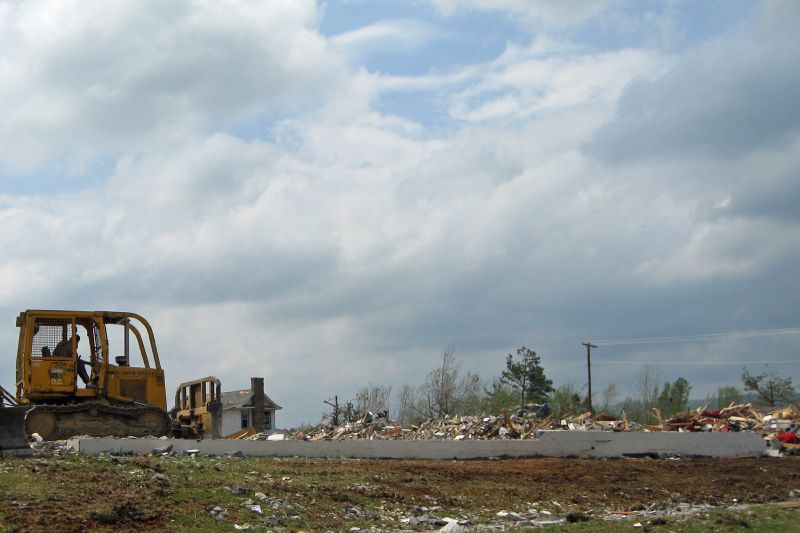
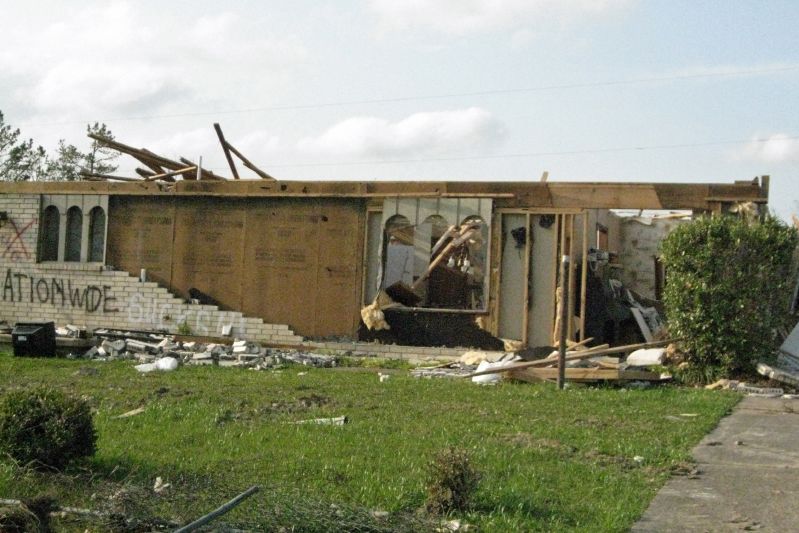
April 9 is the tenth anniversary of the EF-3 tornado that devastated portions of Mena in 2009. The Associated Press article that ran in newspapers nationwide the day after the storm stated, “Authorities began a house-to-house search Friday for possible victims of the tornado that struck a 'direct hit' on this mountain community, killing at least three people, injuring at least 30 others and flattening homes and businesses. The twister descended quickly on the Ouachita Mountains town shortly after eight p.m. Thursday.” Because it was national news, I had many people contact me asking if we were ok. I was one of the fortunate ones who had minimal damage from the storm.

Those of us that lived through that night will never forget it. I still often talk to people who experienced the terror of the storm. My wife was on the phone with a dear friend when the tornado hit. Our friend was in the bottom of a closet covered with blankets. She was afraid of the storm. As the storm hit the phone went dead. We didn’t know what had happened. After the storm had passed, I tried driving to her home, but the authorities were not letting traffic into that part of town. It was several long hours before a neighbor of hers was able to get word to us that she was ok, but her house was heavily damaged.

I remember the months that followed and the long hours at work installing auto glass. There were so many damaged vehicles that I worked from 6:00 A.M. till 10:00 P.M. six days a week. Two hundred homes were lost, and 1,000 homes were damaged. So many people had so much to do in the recovery and rebuilding that it seemed the whole town was fatigued.

Even though the people of Mena were tired and saddened, there was still a resilient spirit. The prevailing attitude was, “we will get through this.” When a town with a population of 5,700 has 1,000 homes damaged, a large percentage of the residents are affected. Anyone who didn't have damage to their property knew people who did. Watching the town rebuild showed me the importance of community and small-town Christian values.

On April 11, 2010, one year after the tornado, I was in attendance when the Polk County Arkansas Long Term Recovery Committee held an event in Janssen Park to recognize those who helped Mena recover from the tornado and to remember those who lost their lives. Mena residents gathered at the park on a beautiful sunny day to remember the tornado that swept through town the previous year. The volunteers that came from far and near to help with the recovery were recognized. The most poignant part of the event was the placement of a memorial in loving memory of the lives lost in the tornado; Anna Cress, Judy Lobner, and Albert Shaw.

A memorial is something that serves as a focus to help remember an event. Are there memorials in the Bible? There is a memorial right in the Ten Commandments. Exodus 20:8-12 (NKJV) says, “Remember the Sabbath day, to keep it holy. Six days you shall labor and do all your work, but the seventh day is the Sabbath of the Lord your God. In it you shall do no work: you, nor your son, nor your daughter, nor your male servant, nor your female servant, nor your cattle, nor your stranger who is within your gates. For in six days the Lord made the heavens and the earth, the sea, and all that is in them, and rested the seventh day. Therefore the Lord blessed the Sabbath day and hallowed it.”

What are we to remember when we keep the Sabbath? God created the heavens and the earth. When did God set up this memorial to creation? Genesis 2:1-3 (NKJV) tells us, “Thus the heavens and the earth, and all the host of them, were finished. And on the seventh day God ended His work which He had done, and He rested on the seventh day from all His work which He had done. Then God blessed the seventh day and sanctified it, because in it He rested from all His work which God had created and made."

On the seventh day of creation, God blessed and sanctified the seventh day. It is a memorial of creation.  Many people no longer believe that God created the world in seven days. If we deny that God is the Creator, we have no reason to worship God. “No one can see God, but Jesus Christ is exactly like him. He ranks higher than everything that has been made. Through his power all things were made—things in heaven and on earth, things seen and unseen, all powers, authorities, lords, and rulers. All things were made through Christ and for Christ. He was there before anything was made, and all things continue because of him.” Colossians 1:15-17 (NCV)

To reject the account of creation as found in Genesis is to reject not only Old Testament worship but New Testament worship. In Romans 1:25 (NLT) the Bible says, “They traded the truth about God for a lie. So they worshiped and served the things God created instead of the Creator himself, who is worthy of eternal praise!” When we deny God’s creative power, we end up worshiping the creation instead of the Creator.

Gentle Reader, creation is important; It is the reason we worship God, and the seventh day has stood as a memorial to God’s creative power from creation week until today. “The Lord created the heavens. He is God. He formed the earth and made it. He set it firmly in place. He didn’t create it to be empty. Instead, he formed it for people to live on. He says, ‘I am the Lord. There is no other Lord.’” Isaiah 45:18 (NIRV)

---------------------------------------------------------------------------------------

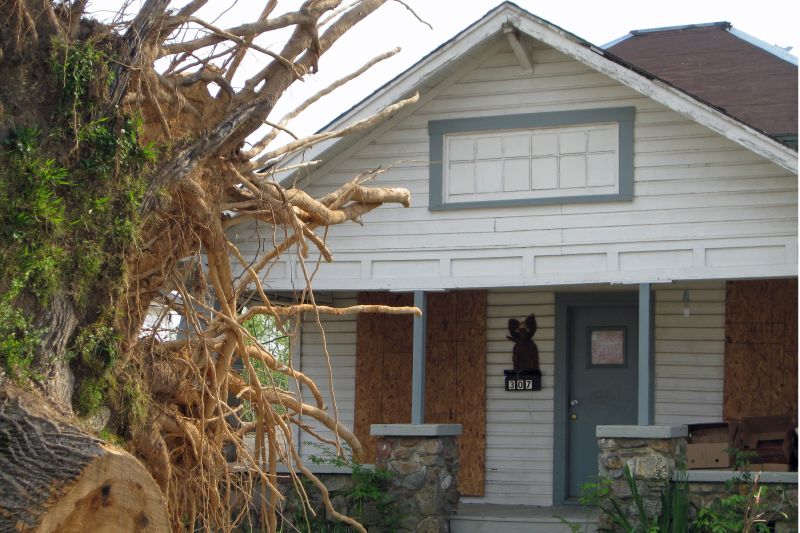
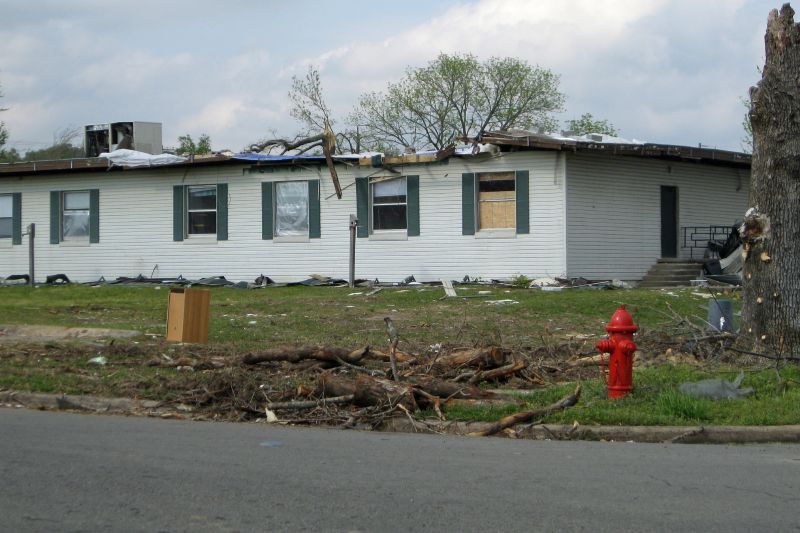
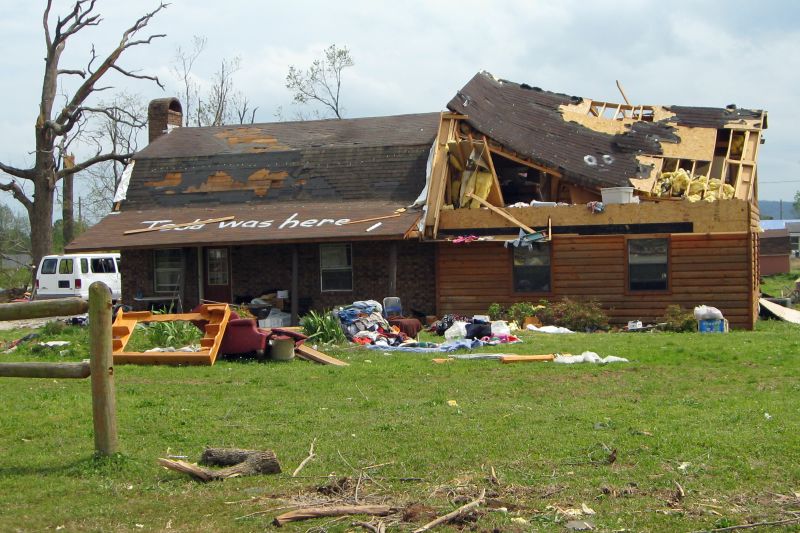
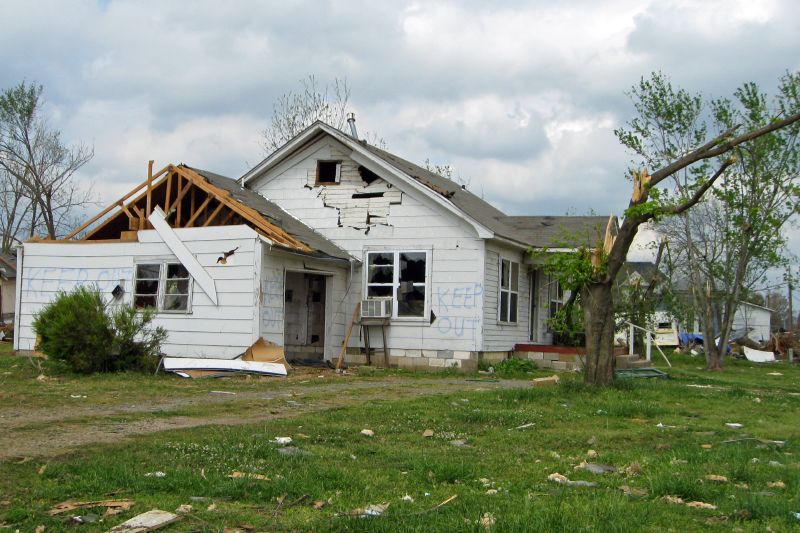
Photos that I took in Mena during April 2009

IMG_4941

IMG_4932

IMG_4933

IMG_4934

IMG_4955

IMG_5021

IMG_5025

IMG_5032

IMG_4965

IMG_5058

IMG_5056

IMG_5054

IMG_5050

IMG_5046

IMG_5045

IMG_5044

IMG_5043

IMG_5093

IMG_5089

IMG_5071

IMG_5064

IMG_5060

IMG_5059

IMG_5065

IMG_5080

IMG_5088

IMG_5097


Mena Tornado 2009 43

Mena Tornado 2009 47

Mena Tornado 2009 44

Mena Tornado 2009 35

Mena Tornado 2009 54

Mena Tornado 2009 33

Mena Tornado 2009 55

Mena Tornado 2009 48

Mena Tornado 2009 49

Mena Tornado 2009 50

Mena Tornado 2009 52

Mena Tornado 2009 53

Mena Tornado 2009 34

Mena Tornado 2009 36

Mena Tornado 2009 37

Mena Tornado 2009 38

Mena Tornado 2009 39

Mena Tornado 2009 40

Mena Tornado 2009 41

Mena Tornado 2009 42

Mena Tornado 2009 45

Mena Tornado 2009 46

Wednesday, April 3, 2019

The Golden Eagle - April 3, 2019

An Arkie's Faith column from the April 3, 2019, issue of The Mena Star.


     The sun is still below the horizon as I walk on the beach listening to the sound of the waves. The moon is full and hanging low on the horizon to the west. The white-silver light of the moon transforms the beach, giving the morning a magical, otherworldly feel. As each wave rolls in from the Pacific Ocean, it rushes over the flat, hard-packed sand of Long Beach. As the water retreats to the ocean, it leaves a glossy mirror-like finish. For a moment, the soft glimmering moonlight shone on the mirrored beach, leaving a pale silver trail. The mirrored finish of the beach was gone too soon, and the next wave rolled in. This wave also left a mirror-like finish that reflected the moonlight. The scene repeated itself over and over as I walked along the beach.
 
     While walking on the beach, I thought about how gorgeous it was. It was hard for me to believe that no one else was there to witness it. For as far as I could see in either direction, no one else was on the beach. Long Beach is the world’s longest beach on a peninsula. It stretches 28 miles along Washington’s southwest coast. One of the most exciting things about Long Beach is that you can drive on it. The beach is an official Washington State highway with a 25-mph speed limit. 

     After my early morning walk on the beach, I returned to my car and started driving back to the condo, where we spent a long weekend at a family reunion. That morning I drove on the beach from the condo to the southernmost point of the beach, Cape Disappointment. The rocky outcroppings of the Cape Disappointment headlands are a natural barrier at the end of the beach. As I was driving back, enjoying the view and the surreal experience of driving on a beach, I noticed something out of the corner of my eye. Coming up beside me on my right was a large bird. I slowed down to get a better look. I could see that it was an eagle with a tremendous wingspan. Because of its dark brown coloration and large size, I knew that it was a golden eagle.

     The magnificent bird kept pace with me, or maybe I was keeping pace with the eagle. We traveled together down the beach for a long time. Golden Eagles are one of the largest birds in North America, and to be that close to a bird with a seven-foot wingspan is a surreal experience. The eagle commanded my attention, with its spreading wings as broad as they were powerful. It seemed to be intentionally staying right beside my car just a few feet away. Seeing the majestic bird resplendent in the early morning light was a wonderfully captivating experience. The encounter ended when with a mighty burst from its wings, the eagle accelerated upward and was soon soaring high into the air. I watched until I could no longer see the eagle.

     As the eagle disappeared from view, I remembered Isaiah 40:31 (NLT); “those who trust in the Lord will find new strength. They will soar high on wings like eagles. They will run and not grow weary. They will walk and not faint.” The sight of an eagle flying is an impressive sight. Because of these striking birds’ size and the ease and confidence with which they fly, watching an eagle fly always intrigues me. Eagles use the air currents to cover miles of ground with minimum effort. Now and again, a slight movement of their wings is all it takes for the eagle to continue soaring.

     How can an eagle soar to such heights with minimal energy? Eagles have very long, large wings. It takes a lot of energy to flap such large wings. Jon. M. Gerrard and Gary R. Bortolotti are scientists who have spent many hours observing eagles. They wrote: “Eagles are capable of sustained flapping flight, but they usually spend little time doing it. During the month when one of the female eagles was observed intensively, she averaged less than 2 minutes per hour in flapping flight. That is not surprising when one considers the large expenditure of energy required to power the huge wings. The energy needed to maintain a bird in flat soaring or gliding flight is much less, perhaps a 20th or less the power needed for flapping. Therefore, eagles will always choose to soar or glide when possible.”
     That is why eagles often soar on thermals until they reach a great altitude and then use the gliding/soaring method of flying to cover the longest distance using the smallest amount of energy. An eagle makes flying look effortless. When we insist on being in control and doing things in our power, we are like an eagle who doesn’t soar. We quickly tire out and get nowhere. Psalm 46:10 (NASB) says, “Cease striving and know that I am God.” To find strength, we need to put our trust in God. In Philippians 4:13 (NKJV), the Bible tells us, “I can do all things through Christ who strengthens me.”

     Gentle Reader, spread your wings and soar like an eagle. The only thing that limits you is how much you trust in God. When you trust Him, He has promised you strength. In Philippians 4:19 (NASB), Paul writes, “my God will supply all your needs according to His riches in glory in Christ Jesus.” When you put your trust in Him, God will supply your needs and renew your strength so that you can soar like an eagle.    


Wednesday, March 27, 2019

The Rest of the Story - March 27, 2019

An Arkie's Faith column from the March 27, 2019, issue of The Mena Star.


Hello Americans, this is Paul Harvey. Stand by for NEWS! For many years I tried to arrange my work day so that I could be near the radio when Paul Harvey would start his daily newscast with those familiar words. Paul Harvey had a voice and style that made him seem like a friend was telling you what had happened that day. Over twenty million Americans regularly listened to Paul Harvey each week. One thousand six hundred radio stations carried his broadcast. His voice is one of the most recognizable in the history of radio.

Paul Harvey was an innovator in the news business. He was a pioneer in the blending of news and opinion. He never tried to hide that fact that his “news” broadcasts included his personal opinions and conservative bias. His show was called Paul Harvey News & Comments. While he personalized the radio news with his conservative opinions, he did it in a friendly way with heart-warming tales of average Americans, and folksy observations that made people feel at ease.

In 1945 at the age of 27, Paul Harvey began reporting the news on the Chicago radio station WENR. Soon, his broadcasts were topping the ratings in the greater Chicago area. In November 1950, the station debuted the 15-minute program, Paul Harvey News & Comments. The next year the program was nationally syndicated by the American Broadcasting Company. His distinctive delivery was heard regularly over ABC for almost 60 years, until his death in 2009. He was referred to as the most listened to man in broadcasting.

Early in his career, he began using the tagline, “and now you know the rest of the story” at the end of in-depth stories. On May 10, 1976, Paul Harley premiered a new radio series, The Rest of the Story. The new program consisted of stories presented as little-known or forgotten facts on a variety of subjects with some key element of the story, usually the name of some well-known person, held back until the end. The broadcasts always concluded with the tag line "And now you know the rest of the story."

But the rest of this story isn’t about Paul Harvey. It is about my eight-year-old granddaughter. The other day, while I was at work, the phone rang. When I answered the phone, my granddaughter said, "Papa, do you remember when we went to Colorado last year?" "Yes," I said. She went on, "do you remember when you preached on Friday night?” “Yes,” I answered. “You didn't finish the story. I was wondering what happened to the boy in the story."

Last September, the alumni association of Campion Academy in Loveland, Colorado asked me to speak on Friday night of the alumni weekend. My wife and I were graduates of Campion Academy’s Class of 1973. We planned a week-long vacation in Colorado, spending time in Denver, Cedaredge, Leadville, and Loveland before attending the alumni weekend. We invited our granddaughter on the trip.

My wife and granddaughter were in the audience that Friday night when I gave my talk. I had opened and closed my talk with this story. One night a house caught fire, and a young boy was forced onto the roof. A fireman stood on the ground below with outstretched arms, calling to the boy, "Jump! I'll catch you." He knew the boy had to jump to save his life. All the boy could see, however, was flame, smoke, and blackness. As you can imagine, he was afraid to leave the roof. The fireman kept yelling: "Jump! I will catch you." But the boy protested, “I can't see you." The fireman replied, "But I can see you, and that's all that matters."

All these months later, my granddaughter was worried about the boy on the roof. She wondered what happened to him. In my talk, I had left the story open because the boy represents each one of us, and we have to decide what we are going to do.

In Acts Chapter 16, there is a story about Paul and Silas. They had been put in prison for preaching about Jesus. That night there was “a massive earthquake, and the prison was shaken to its foundations. All the doors immediately flew open, and the chains of every prisoner fell off! The jailer woke up to see the prison doors wide open. He assumed the prisoners had escaped, so he drew his sword to kill himself. But Paul shouted to him, ‘Stop! Don’t kill yourself! We are all here!’ The jailer called for lights and ran to the dungeon and fell down trembling before Paul and Silas.’ Then he brought them out and asked, ‘Sirs, what must I do to be saved?’” Acts 16:26-30 (NLT) Paul and Silas answered him, “Believe in the Lord Jesus and you will be saved.”

What must I do to be saved?  I need to believe in Jesus so much that I will trust him and jump into his arms. He can’t save me if I don’t trust him enough to jump. He can’t save me if I am busy trying to save myself. It’s time for us to really believe in the Lord Jesus Christ: Believe enough to surrender our will and jump into his arms. When my granddaughter asked me what happened to the boy in the story, I told her that the boy trusted the fireman and he jumped, so he was saved.

Gentle Reader, each one of us finds ourselves in the same situation as the young boy on the roof.  We will be destroyed unless we do something. If we stay in our current situation, we will be destroyed by fire. The biggest question in our lives is, what must I do to be saved. In the little boy’s situation, the answer was; jump. What is the answer in your life? When your story is finished, what will be - the rest of the story?